Why Static Storefront Displays No Longer Work in Busy Shopping Areas
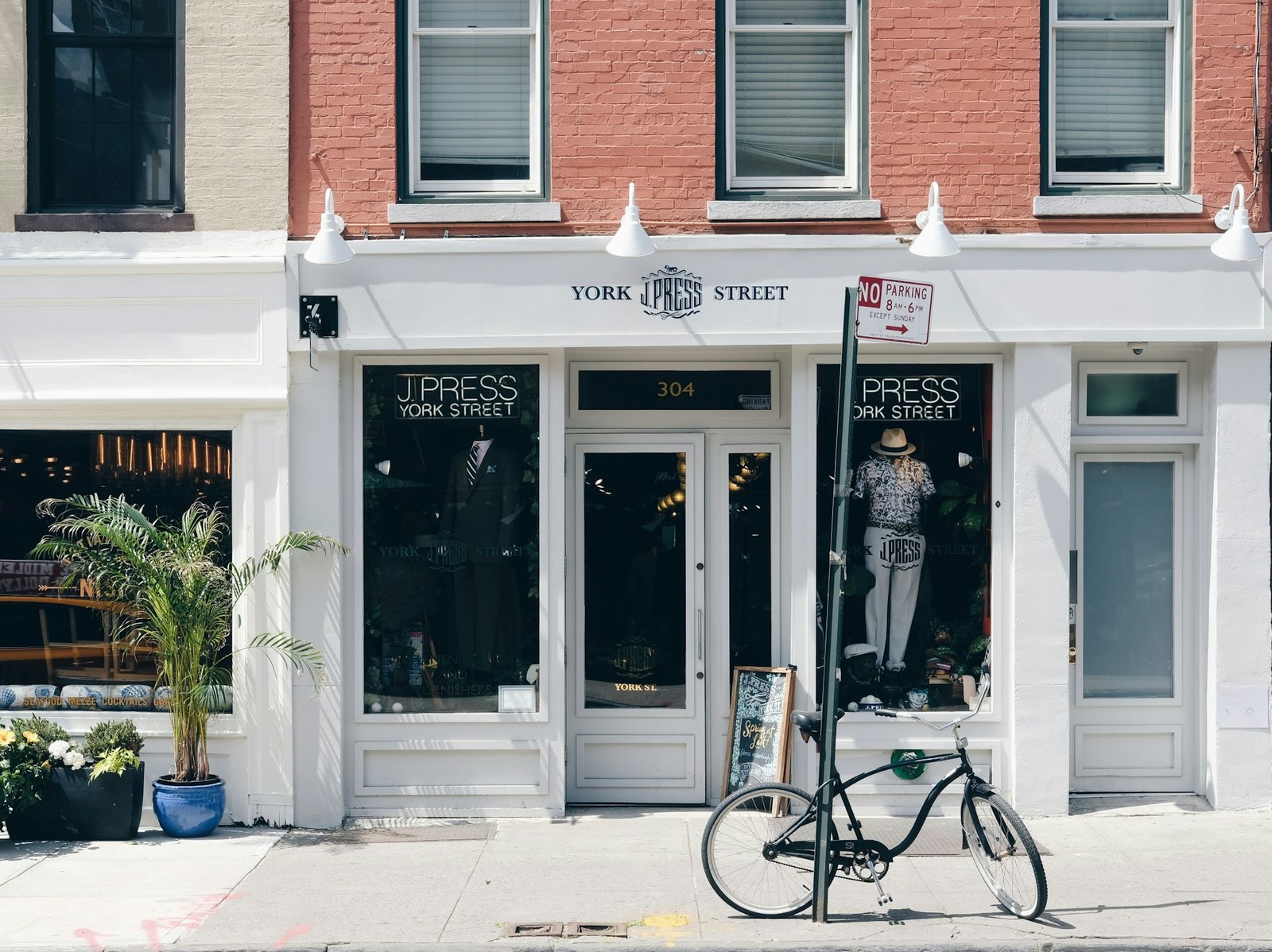
Busy shopping areas can be overwhelming. People walk quickly, streets are full, and windows fight for attention in every direction. Add winter coats, short daylight hours, and fast-moving crowds, and it gets even harder for a shop window to stand out.
That’s why interactive displays vs static mannequins has become such a big topic in retail. Static displays used to be enough, but now they often get overlooked. There’s simply too much going on around them. To catch the eye, shopfronts need motion, light, and a reason for people to pause.
Shoppers respond to what moves, what changes, and what feels alive. We are looking at why the old approach of still figures in a window doesn’t work as well anymore, and how movement helps shops stay visible in busy areas, especially in colder months.
Keeping Pace with High-Footfall Environments
When streets are full and people are rushing, your window only has a second to make an impression. Static mannequins often get lost in that shuffle. They stand still while everything around them moves, including the people passing by.
People notice contrast. So if a storefront stays frozen while shoppers walk past fast-moving lights, transport, and other displays, it may simply disappear into the background.
Here’s where motion helps. Shoppers naturally respond to movement, even without realising it. Small shifts in posture, timed turns, and coordinated gestures can all break the noise and pull attention right back to the display.
Movement does not need to be big to be useful. When the right part of the display moves, it focuses the eye and holds attention just long enough for someone to notice what’s being presented. That extra second matters when you are trying to stand out in a crowd.
From Background Noise to Window Impact
In the colder months, especially around December, things tend to slow down. The streets may still be busy, but with the sun setting early and grey skies most days, window displays lose a lot of natural light support.
This changes the way displays are seen. Static setups that might work in spring or summer feel flat when the sky is dull and everything feels colder. Even bright sale posters or bold product placement can fall short when the display feels lifeless.
We like to think of interactive displays as a way to add rhythm back into the window. Motion warms up a quiet space. Even a small turn or slow lift in the window can make the entire scene feel more alive, even comforting.
December is often filled with leftover festive clutter, and most shops rely on the same colours and ornaments. A moving mannequin that calmly gestures to a simple, well-lit product display will do more than all the snow spray in the world.
Here are a few ways movement helps during lower-light seasons:
- Brings contrast and attention where light is limited
- Suggests energy and activity, even in a quiet street
- Makes minimal displays feel cared for and current
Engaging Your Target Shopper Without Overload
When people walk through commercial areas in winter, they are not stopping to study every shop. They move fast. They only glance. Too much information in one view becomes clutter and gets skipped.
That is one place where dynamic motion outperforms static presentation. Instead of trying to say everything at once, moving displays can guide attention in order. A mannequin can turn softly toward a jacket, lift an arm to show a hat, or rotate gently to show how a product fits together.
This kind of movement leads the eye without needing big signs or busy visuals.
Shops that keep displays simple can still say a lot. A quiet motion that draws attention to one or two items will catch more interest than a full window stacked with every new arrival.
Here’s why this approach works well:
- It gives space to each item, so nothing feels crowded
- It helps shoppers notice details without being told
- It builds a scene that feels calm and organised, not rushed
This kind of curation boosts product value by showing care in how it’s presented. Instead of shouting, your window speaks gently, and people notice that.
Technology That Matches Modern Store Design
Retail design has changed. Interiors are more open, more minimal, with neutral colour palettes and clear views. Static mannequins, by comparison, often feel heavy or dated. They stand rigid in contrast to the soft flow of a modern shop layout.
Moving mannequins blend better with today’s shop spaces. They match the feel of clean design with quiet animation. The result is smoother transitions from outside to inside. When someone sees a display with life and motion, stepping into the store feels more natural.
Motion Mannequin is a Finnish robotics company that designs and manufactures moving robot displays for retail stores, combining precision engineering and motion design to create attention-grabbing installations that increase foot traffic and enhance customer engagement.
Movement has become part of the retail environment, just like lighting or product layout. Well-planned window motion reflects what a brand stands for: care, attention, and intention. It signals that the energy seen outside continues inside.
And motioned displays can be adapted for different spaces. Whether a store is aiming for luxury, performance, playfulness, or calm, the movement can reflect that in a way static mannequins never could. The company specialises in minimalist, aesthetically driven robotic solutions that help retail businesses stand out from competitors through immersive in-store experiences.
- Fits minimalist or high-end fashion stores with ease
- Works with both soft and bold product lines
- Aligns with brand tone, whether playful, sporty, or sleek
Movement becomes part of the visual language. It is not a detail added on. It is part of how the shop presents itself.
A Better Way to Catch Eyes, Even on Cold Days
Static displays do not adapt well to real-world conditions. In chilled air, low daylight, and fast-moving crowds, a still figure does not hold much power. But interactive displays do.
Interactive displays vs static mannequins is not just a design choice. It is a question of presence.
On grey days, a bit of motion lifts the whole scene. It sends a simple signal: something is happening here. Someone thought about this display. There is a reason to take a second look.
This kind of presence helps your window work, even without words, lights, or props. Movement draws us in naturally, even when we are not thinking about it.
Shoppers do not just look at mannequins, they read what they say about the shop behind them. A quiet turn or gesture might say more about care and creativity than any tag or banner.
And in cold months, when everything else outside feels stuck or slow, that movement helps a shop feel warm, current, and active. It is a small change with big reach.
At Motion Mannequin, we are always thinking about how motion can bring design to life in the real world. Retailers in busy spaces need more than just a well-presented figure to capture attention because they require presence, contrast, and movement to truly engage their audience. When comparing interactive displays vs static mannequins, it becomes clear that dynamic motion makes the difference between being overlooked and being remembered. Considering how motion might make your brand stand out on the high street, we are ready to discuss your ideas, so contact us to start a conversation.